Does Agoraphobia Get Better?
Yes — agoraphobia can improve significantly with evidence-based treatment. Cognitive Behavioral Therapy (CBT), Acceptance and Commitment Therapy (ACT), and exposure therapy are effective approaches that help people gradually reclaim activities and places they've been avoiding due to fear of panic-like symptoms.
What is agoraphobia?

I believe the first time I ever heard the term agoraphobia, I saw it portrayed in a comedic movie as a character who was afraid to step outside of his house and encounter the sun. While OCD often gets thrown around casually as the punch line of jokes or as a quirky personality trait and is very much misunderstood based on the way it is used in peoples’ vernacular, agoraphobia is something I rarely hear referenced and find often folks don’t really know what it is or what it means. If they do have some sense, they often believe it is someone who is completely housebound and unable to go out at all. While this can be a manifestation of severe agoraphobic symptoms, agoraphobia can present in a variety of different ways.
Agoraphobia symptoms
The DSM-5 defines agoraphobia based on the following criteria:
Pronounced fear or anxiety about two or more of the following situations:
public transportation (cars, planes, buses, trains, ships)
open spaces (e.g. parking lots, bridges, marketplaces)
enclosed spaces (e.g. grocery stores, movie theaters, department stores)
crowds or standing in lines
being outside of home alone
These situations elicit fear or are avoided because the person is afraid that escape might be difficult or help might not be available if panic-like symptoms (see our blog on panic attacks) or other embarrassing or incapacitating symptoms (e.g. fainting, falling, incontinence or GI/bathroom emergencies) were to occur
These situations almost always cause intense fear or anxiety
These situations are either actively avoided, require a companion (either a person or an object such as water bottle, Xanax prescription bottle, cell phone, snacks, etc), or are endured with intense fear/anxiety
The fear is out of proportion to the actual danger posed by the situation/context
The fear, anxiety, and/or avoidance is persistent, lasts for 6 months or more, and causes clinically significant distress or impairment in important areas of functioning
What are some signs that someone might have agoraphobia?
Often people experiencing agoraphobia do not realize that they are struggling with agoraphobia. They tend to come to therapy because they are dealing with panic attacks.
Some clues that agoraphobia may be present include difficulty leaving the house, inability to go grocery shopping, panic attacks while driving, fear of flying, fear of panic attacks in public, and generally a fear of being trapped…
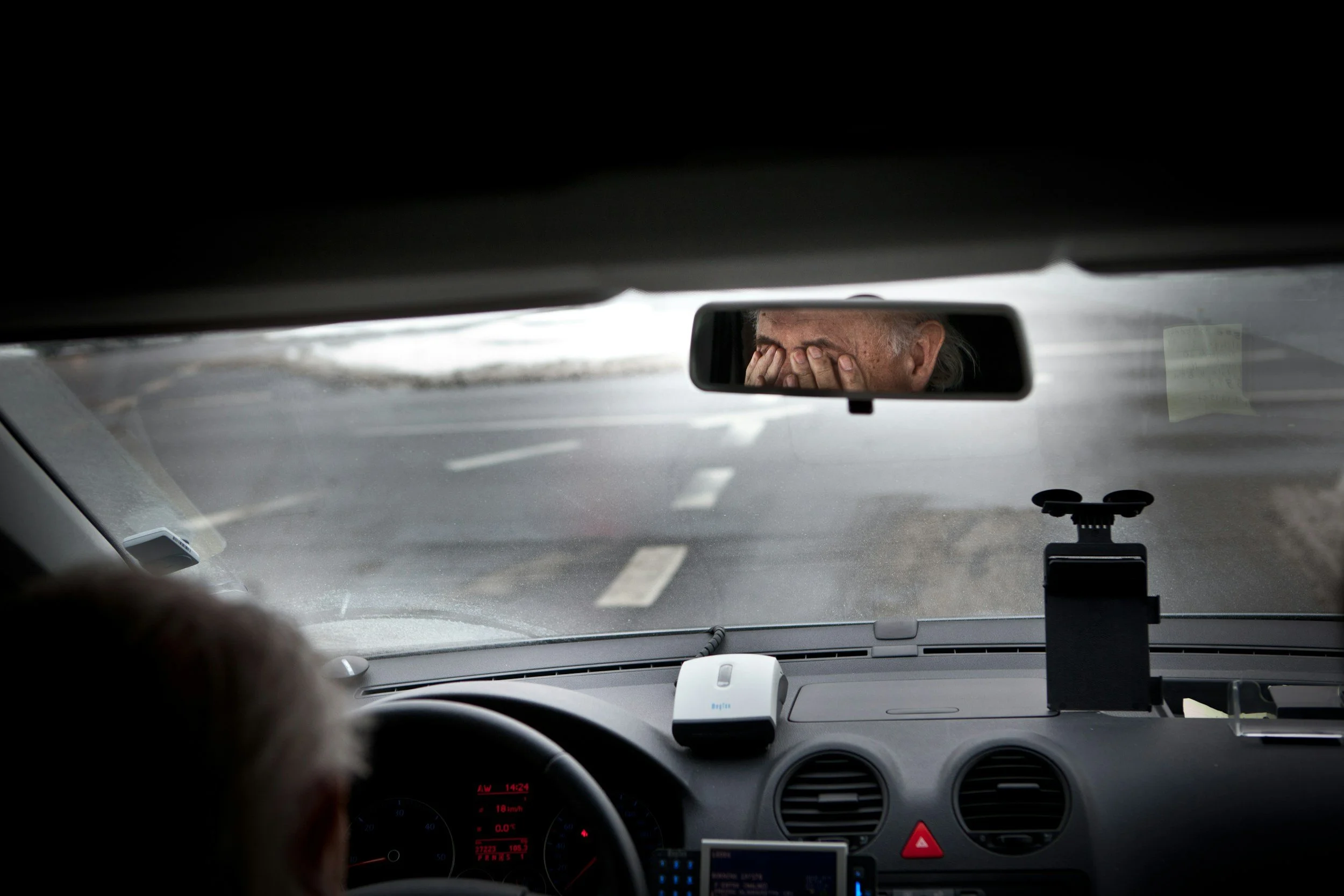
Clients experiencing agoraphobia often reach out for therapy because they are having panic attacks while driving, or have a debilitating fear of flying (these clients are not afraid of flying itself but rather having a panic attack on while flying). They may have trouble going to appointments, like haircuts or doctor’s appointments, because they worry they won’t be able to leave the appointment if they start to have a panic attack. They may skip going to the movies or going to crowded restaurants, or find themselves white knuckling through the experience, always keeping an eye on the exits, sitting with their back to the wall or on the edge of an aisle, reviewing their escape route in case they start to panic. They may find themselves clocking where the bathrooms are when they are out of the house, out of fear of needing a toilet and being unable to reach one in time. They may feel particularly attached to their phone or water bottle, and may have that person on speed dial that they can call if they start to have a panic attack.
How is agoraphobia related to panic disorder?
Agoraphobia is characterized primarily by the underlying fear of being trapped while experiencing an incapacitating physical event.

Agoraphobia almost always goes hand in hand with panic disorder, as very often the incapacitating physical event those with agoraphobia fear is a panic attack or the consequences of panic (fear that a panic attack will cause them to die, lose control or faint, or go “crazy”/lose their mind). However, sometimes the incapacitating physical event clients fear involve GI events/distress, like vomiting or diarrhea, or in older adults, a fear of falling.
Panic disorder with agoraphobia
Although panic disorder and agoraphobia often go hand in hand, as they both include features of the other (panic disorder involves a change in behavior characterized by avoidance of situations that the person fears may trigger panic; agoraphobia involves avoidance of situations potentially due to a fear of experiencing a panic attack and being unable to get help or exit the situation), they are diagnosed separately. However, when it comes to treating agoraphobia, treatment looks very similar to treatment for panic disorder.
Agoraphobia Treatment and CBT for Agoraphobia
Exposure therapy for agoraphobia
The gold standard of evidence based treatment for agoraphobia is Cognitive Behavioral Therapy (CBT), particularly CBT involving exposure therapy (see our blog post on how exposure therapy works for more information). Whether we are treating agoraphobia with panic disorder, or agoraphobia that is related to fear of other physiological sensations, a primary component to exposure treatment involves what we call In Vivo Exposures. We create a hierarchy of situations the client fears or avoids, and rank the situations on a distress scale of 0-10. Then we slowly start helping the client to encounter these situations.
Sometimes exposures involve facing situations that were completely avoided altogether, and other times exposures involve slowly reducing engagement in subtler avoidance behaviors (e.g. blasting the AC while driving or only driving in the slow lane; researching bathroom locations prior to going anywhere new; carrying several snacks on every outing). Each client’s hierarchy is tailored to their particular fears and avoidance behaviors.

ACT for agoraphobia
Acceptance and Commitment Therapy (ACT) is a particular kind of CBT that incorporates a focus on the client’s values and what a rich and meaningful life looks like to them. Linking each of the exposures on a client’s hierarchy with their values can help increase willingness and motivation, as the client can clearly see how facing this challenge will help their world expand and make life more fulfilling.
Can agoraphobia go away?
With evidence-based care, agoraphobia is highly responsive to treatment. Clients can learn skills and tools to respond to anxiety and panic more effectively so that they can move freely through the world again. If you are experiencing agoraphobia or similar symptoms, there is plenty of reason to hope that recovery is within reach.