How To Overcome Fear of Needles
Needle phobia (trypanophobia) is a specific phobia that can significantly disrupt a person's ability to access medical care, and it can include fainting due to vasovagal syncope. It is highly treatable using exposure therapy and Cognitive Behavioral Therapy (CBT), often combined with a technique called applied tension for those who faint at the sight of needles.
According to a study in The Clinical Journal of Pain, approximately 3-10% of adults experience a fear of needles significant enough to disrupt their ability to effectively engage in receiving medical care. According to a global study of 2,098 adult participants, 63% of participants endorsed a degree of needle fear. Most people don’t like receiving injections, IVs, or blood draws, even if they don’t have fear of these procedures. So how do you know if you have needle phobia, or if you need some help managing injection related fears?
What is needle phobia?
Specific phobias are defined by the DSM-5 as intense fear or anxiety about a particular stimuli (e.g. needles, blood, spiders, flying, heights, pregnancy/childbirth, etc) where the fear/anxiety is out of proportion to the actual threat posed by the stimuli and to the sociocultural context. The fear causes either avoidance of the stimuli or “white kunckling” through it (enduring an encounter with the stimuli with significant distress). The fear causes clinically significant distress, and/or causes functional impairment, meaning that it makes it difficult to function in important areas of life, and symptoms persist for 6 months or more. Needle phobia (also known as trypanophobia) is a specific form of Blood-Injection-Injury (BII) phobia. The feared stimuli associated with BII phobia are often related to injections, blood draws, or other medical procedures.

Why do some people faint when they see needles?
Some individuals with trypanophobia may experience vasovagal syncope (fainting) resulting from a sudden drop in blood pressure at the sight of needles. According to Dr. David Barlow and Dr. Michelle Craske as detailed in Mastery of Your Anxiety and Panic, fainting is very rare in patients with panic disorder or in people experiencing panic attacks, as the state of panic (which is a result of sympathetic nervous system activation - a.k.a the fight/flight response) is generally incompatible with fainting (which is caused by an overreaction of the parasympathetic nervous system - a.k.a .the rest/digest response).
Vasovagal syncope and needle phobia
However, for patients with blood-injection-injury phobia, vasovagal syncope can occur. Our nervous system activates in order to help us deal with perceived threats, and each physiological response it activates is evolutionarily designed to be adaptive. Our nervous systems developed long before the advent of injections or more advanced medical procedures and interventions. The syncope response that can occur in the context of BII phobia is meant to help slow down blood flow in a situation where our nervous system believes we have been or are about to be injured and at risk of blood loss. However, in the case of medical procedures, including injections, the situation is not only safe, but is one that will actually help preserve our health. The fear that can come up in these contexts is misread by the nervous system as a sign of true danger. Individuals who experience fainting in response to needles may experience the vasovagal episode as traumatic, and may find themselves stuck in a vicious cycle of increasing fear and avoidance of medical stimuli.
Impact of avoidance associated with needle phobia
A pronounced fear of needles — with or without syncope — can disrupt a person’s ability to seek medical care of any kind. Patients may fear that any kind of medical encounter will ask or require them to receive either an injection or a blood test. Needle phobia can also begin to generalize to medical environments more broadly where medical stimuli of any kind can elicit fear and anxiety. BII phobia can be extremely limiting, as it can make it difficult to seek regular preventative health care in addition to addressing more acute medical needs. It can make navigating or pursuing pregnancy — whether for oneself or one’s partner — challenging, given the number of medical interventions required during this period. Patients may also live in fear of having an unexpected medical emergency arise that would force them to be in a medical environment or receive interventions they have long avoided.
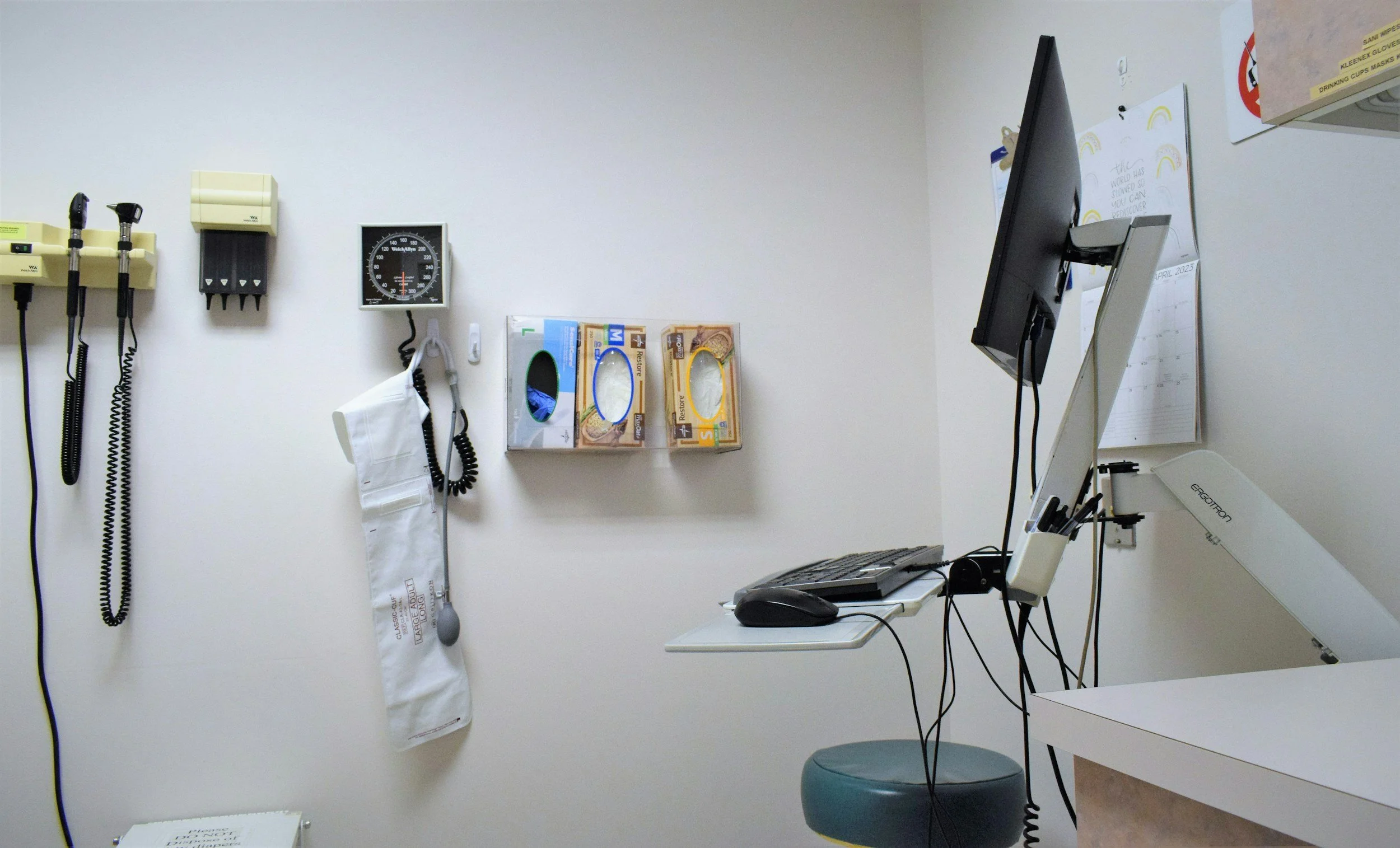
How to overcome fear of needles
Exposure therapy for needle phobia
Needle phobia is highly responsive to effective treatment. Cognitive Behavioral Therapy (CBT) for needle phobia is the gold standard of care. CBT for phobias involves helping patients understand how mistaken beliefs and avoidance behaviors maintain a cycle of anxious distress, and is primarily focused on engaging in exposures to help challenge both the avoidance behaviors and mistaken beliefs. Exposure therapy for needle phobia involves helping clients to slowly begin to encounter needle related stimuli. Reading this blog may even be the first step, as for many clients, simply seeing or hearing the word “needle” can elicit some degree of distress. Exposures are done first in session with your therapist, starting with a stimulus that is mildly distressing but manageable, and ascending to increasingly difficult stimuli and exposures outside of sessions as treatment progresses. During exposure therapy, clients learn new skills to sit with and encounter the anxiety that comes up from a compassionate and skilled provider to who is there to help them process their experiences and address any roadblocks or challenges they encounter.
Applied tension
For clients who experience vasovagal syncope related to needles or medical encounters, they will also learn skills to help prevent the drop in blood pressure that causes the fainting to occur. Applied tension is a particularly effective technique that can be done anytime and anywhere. It involves a specific method of tensing and releasing major muscle groups. Often clients with a history of syncope feel more comfortable engaging in exposures once they have learned how to practice applied tension, as they feel more in control of their ability to prevent fainting from occurring. Learning this skill typically helps boost their confidence, helps them feel more willing to encounter medical environments, and helps reverse the fear and avoidance cycle that has maintained their phobia and syncopal episodes.
Addressing underlying medical trauma
Finally, while clients may present to therapy for what seems like a straightforward needle phobia, often clients who have a pronounced fear of needles or medical environments have had some kind of traumatic experience that is linked to the fear. Clients who feared needles as children may have been held down for injections or experienced extreme embarrassment of their symptoms. Clients who experience syncope may have found the syncope itself to be somewhat traumatic. The underlying trauma often has to do with some loss of control of one’s body and/or a negative experience with a healthcare provider. Acknowledging, understanding, and addressing any underlying trauma associated with needle phobia can be immensely helpful in allowing the client to progress and reclaim a sense of agency and confidence in their ability to navigate medical environments as well as the internal experience of anxiety.
Linking exposures with values
Acceptance and Commitment Therapy (ACT) is a kind of Cognitive Behavioral Therapy which emphasizes the crucial role that our personal values play in our overall wellbeing. Utilizing exposure therapy alongside ACT can help connect exposures, which are inherently uncomfortable and difficult, back to your specific and personal values. It can help you see how watching a video of someone having their blood drawn is not only a way to overcome a fear of needles, but is actually a way to reclaim the freedom to seek out important medical care that will help you look after your physical health and therefore increase your ability to engage fully in your life in whatever way you choose. ACT can help offer a level of depth and meaning to therapy that makes exposures feel especially helpful and profound.