What Can I Do About Panic Attacks?
The right approach to panic attacks depends on whether they're a one-time reaction to a specific trigger or a recurring experience you've come to fear on its own. Evidence-based treatment, primarily Cognitive Behavioral Therapy and exposure-based interventions, can effectively reduce the frequency and intensity of panic attacks.
What is a panic attack?
If you’ve ever experienced a panic attack, you know how incredibly uncomfortable it is. According to the Diagnostic Statistical Manual of Mental Disorders, fifth edition (a.k.a. DSM 5 - the manual used to classify mental health conditions), a panic attack is defined as an abrupt surge of fear that peaks within minutes and includes four or more of the following symptoms:
racing heart/heart palpitations
sweating
trembling/shaking
feeling like you are short of breath or experiencing a smothering sensation
feeling like you are choking
chest pain or discomfort
nausea or GI distress
feeling dizzy, lightheaded, or faint
derealization (feelings of unreality) or depersonalization (feeling detached from yourself/out of body)
numbness/tingling sensations (pins and needles)
chills or hot flushes
fear of losing control, losing your mind/going crazy, or dying
A panic attack is a symptom, not a diagnosis.
A panic attack can occur outside the context of a clinically significant diagnosable mental health disorder. A panic attack is the activation of the fight/flight/freeze response, an adaptive physiological process designed to help us survive in the face of danger and threat. The experience of a panic attack is not in and of itself a sign of pathology. In the context of real or perceived danger or threat, the physical symptoms that accompany panic are designed to help us mobilize our physiological resources for survival.
Why do panic attacks happen?
Sometimes a panic attack has a clear and identifiable trigger.
For example, if you have a fear of the doctor’s office and find yourself experiencing a panic attack during an exam, or if you have a fear of public speaking and encounter panic attacks while giving presentations, you can identify the stimulus that brought on this wave of fear and anxiety.
However, it is also possible for a panic attack to appear seemingly out of the blue.
These kinds of panic attacks feel particularly frightening and are often mistaken for medical emergencies by people who experience them. A panic attack out of the blue is more difficult to identify as a panic attack given that you are unable to identify why you felt such an intense physiological surge in fear. If you look around for a “threat” or trigger and you can’t find one, you might assume the threat is internal and that something is wrong with your body.
Panic attacks can occur within the context of an anxiety disorder,
including generalized anxiety disorder, social phobia, other specific phobias, illness anxiety disorder, OCD, or PTSD. If you have an anxiety disorder, you are likely to overestimate threat in reasonably safe situations, which can occasionally result in a panic attack. But often when a person seeks therapy specifically for panic attacks, it is because they have developed a fear of panic attacks.
A fear of panic attacks is the defining feature of panic disorder.
Panic disorder is defined as recurrent, unexpected panic attacks followed by a month or more of:
worry about subsequent panic attacks or their consequences (fear that panic will result in death, loss of control, or going “crazy”)
and/or
a change in behavior related to the panic attacks (often behaviors designed to try to prevent subsequent panic attacks).
People with panic disorder often avoid things like exercise and caffeine to avoid feeling an elevated heart rate. They might carry a water bottle with them at all times, or bring acute anxiety medications with them wherever they go. They might start avoiding certain places where they fear a panic attack may be more likely or where they feel they cannot escape if they have one (e.g. grocery stores, movie theaters, doctors appointments, haircuts, airplanes, cars, etc).
Can I recover from panic disorder?
Panic disorder can become very debilitating, but it is also highly responsive to treatment.
Cognitive Behavioral Therapy (CBT), including Acceptance and Commitment Therapy (ACT), specifically with a focus on exposure therapy, is the gold standard of treatment for panic disorder. (See our blog describing exposure therapy at length here.) We use two kinds of exposures for panic disorder:
Interoceptive exposures: exposure to sensations that mimic the symptoms of a panic attack (e.g. running in place to experience an elevated heart rate and breathlessness)
In vivo exposures: exposure to situations or stimuli previously avoided due to a fear of experiencing a panic attack (e.g. going to the grocery store)

As with all exposure therapy, treatment begins with psychoeducation followed by creating a hierarchy. Engaging in exposures is a collaborative and supportive process where you are never asked to do anything that you are unwilling to do or that you lack clarity on why you are being asked to do it.
What can I do about panic attacks if I don’t have panic disorder?
For folks who don’t have a fear of panic attacks but would like skills to manage a panic attack should it arise, grounding exercises can be useful tools. Grounding exercises put you back in touch with your surroundings and the present moment (e.g. feel your feet on the ground; name 5 things you see, 4 tactile things you feel, 3 things you hear, 2 things you smell, 1 thing you taste; choose an object and describe it in as much detail as you can). Additionally, addressing the anxiety that may have triggered the panic attack is important. Acceptance and Commitment Therapy (ACT) and possibly exposure therapy can also be helpful with this. It is important to note that if you do have panic disorder, grounding exercises and breathing exercises can be counterproductive and actually exacerbate your symptoms, as these interventions can unintentionally reinforce a cycle of fear and avoidance.
Can I make a panic attack stop?
Whether you have panic disorder or not, the only way out of a panic attack is through.
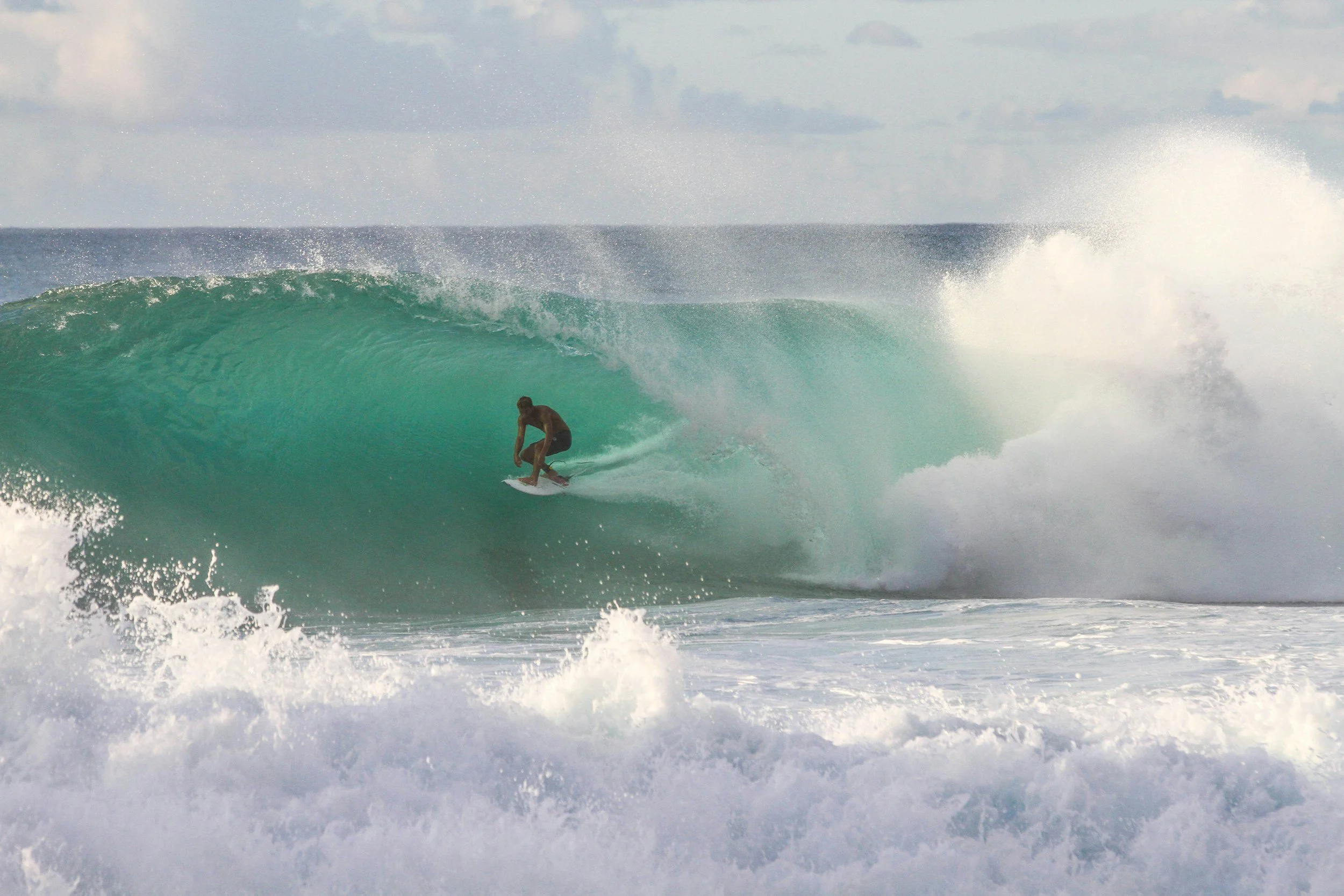
The more you try to fight, control, or get rid of a panic attack, the longer it is likely to last. A panic attack is like a big wave. You can’t fight a big wave, and you will get pretty worked if you try. The smoothest way to manage a panic attack is to do your best to surf it. To be present with it, notice it, name it, breathe into it, and trust that eventually it will wind down on its own.
If you experience recurrent panic attacks or anxiety that is causing you regular distress, seeking professional support from someone trained in evidence based treatment and exposure therapy for anxiety disorders can help you identify the best way to treat your symptoms.
What you should do about a panic attack does not have a one size fits all answer. A trained professional can help parse through the complex nuances and tailor evidence based treatment interventions to your symptoms. What might be the best answer for one person could end up making another person’s anxiety worse.